
Reflections on the Public Review Period
Comments on the comments

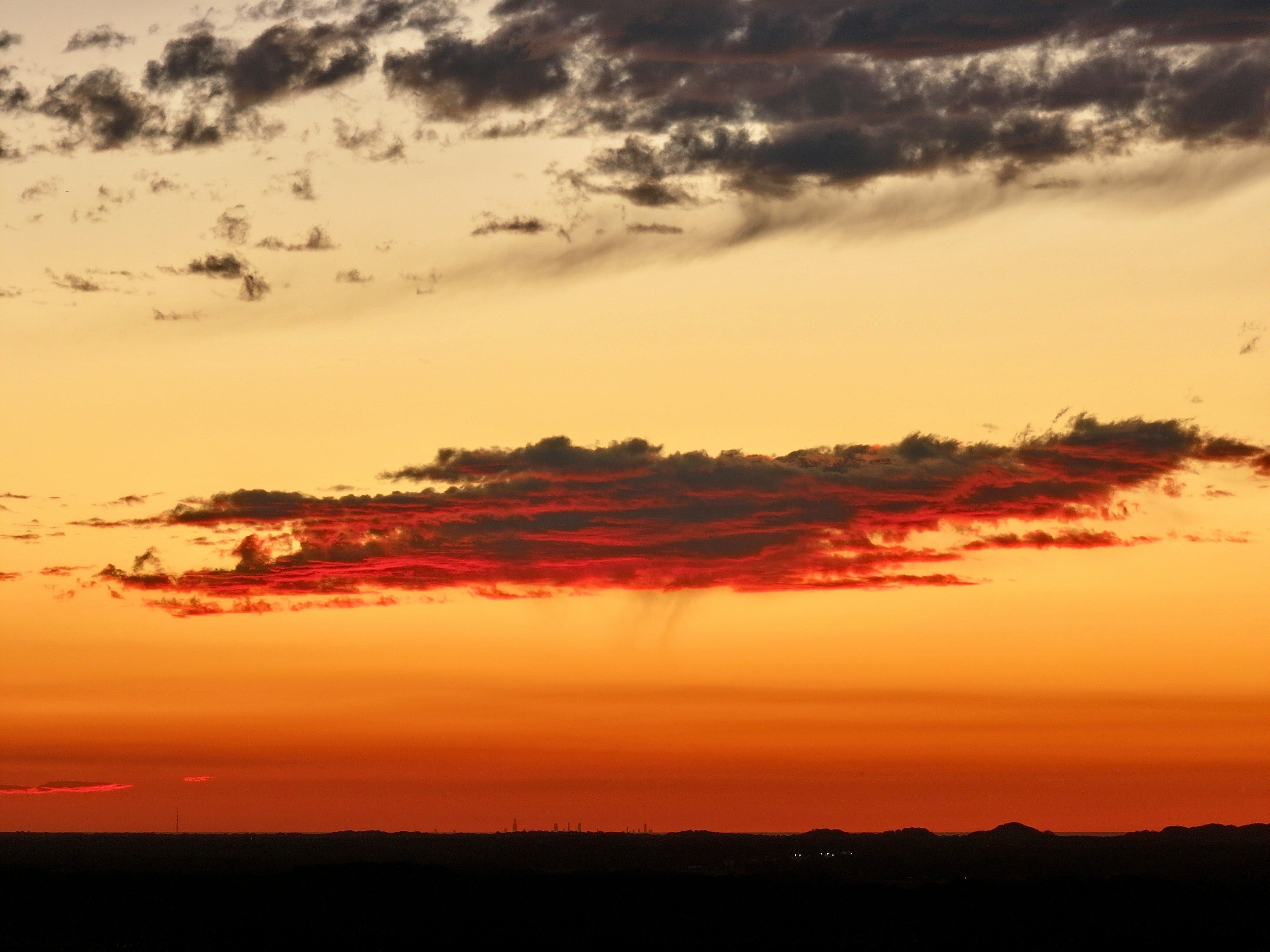
As the period for commenting on The Nature Record draft assessment comes to a close, I’ve found myself returning to an old teaching1:
“The day is short, the task is great, and the matter is pressing. You are not obligated to complete the work, but neither are you free to abandon it.”
Over the past several months, thousands of people from across the country have engaged with The Nature Record. Scientists and Tribal leaders, students and artists, farmers, fishers, educators, health professionals, policymakers, land managers, and community members. Some offered technical comments, while others shared questions, observations, memories, and hopes.
What struck me most was not how much people approached the assessment from differing perspectives. Rather, it was how often they returned to the same fundamental concerns. They care about clean water. They care about healthy forests and working lands. They care about wildlife, parks, shorelines, and the places where they walk, fish, garden, hunt, paddle, and gather. They care about whether future generations will inherit the same opportunities for wonder and connection that many of us received. Repeatedly, people reminded us that nature is not a backdrop to American life — it is woven into it.
The day is short
One theme surfaced repeatedly during our public engagement events: change is happening quickly. People spoke of landscapes transformed within a single generation, of rivers that seem different than they once were, and of summers that feel hotter and longer. Seasons arrive at unfamiliar times. Birds, fish, and wildlife are less common in places where abundance once felt ordinary. Frequently, people returned to a simple observation: the world around them is changing, often faster than they expected. And many worried about a growing separation between people and nature, especially among young people.
Yet alongside those concerns was something else: gratitude. People spoke about their favorite places and the comfort of trees. They shared memories of the relief of shade on a hot day, the sound of moving water, and the feeling of stepping outside and remembering that they are part of something larger than themselves. Those comments were reminders that nature is something we belong to, not simply something we manage.
The task is great
The Nature Record was created, in part, because this moment demands a fuller accounting of our relationship with nature in the United States — not only what is happening to ecosystems, lands, waters, and species, but why those changes matter. This task is necessarily large.
Nature shapes our health, our economies, our cultures, our safety, and our sense of place. Understanding those connections requires more than ecological science — it requires listening across disciplines, communities, experiences, and ways of knowing.
Another ancient sage2 asks: “Who is wise? One who learns from every person.” The public comment period was a powerful reminder of that idea.
People challenged assumptions. They asked difficult questions, and they pushed us to think more deeply about access, equity, stewardship, and responsibility. They reminded us that environmental issues are not separate from daily life. They are daily life.
No assessment can fully capture all of those perspectives. But it can create space for them to meet.
The matter is pressing
There was no shortage of urgency in the comments we received. People expressed concern about biodiversity loss, climate change, environmental injustice, and the accelerating pace of ecological change. Many wondered whether our institutions are prepared for what lies ahead. But people were not looking only for a diagnosis — they were looking for possibility.
Over and over, assessment readers asked where recovery is happening, what is working, what communities can learn from one another, and how people can become part of solutions rather than simply witnesses to decline. This desire to understand not only what is changing, but what is possible, has helped shape The Nature Record.
One of the clearest lessons to emerge from The Nature Record is that decline is not the only story. Across the country, communities are restoring rivers and shorelines, tribal stewardship is revitalizing ecosystems and cultures, cities are expanding access to nature, and farmers, fishers, and ranchers are finding ways to sustain both livelihoods and habitat. Partnerships are reducing risk while strengthening connection and trust.
None of these efforts are perfect, and few are complete. But together they remind us that recovery is possible.
You are not obligated to complete the work, but neither are you free to abandon it
Environmental work can feel overwhelming because the challenges are so large and the timelines so long. No single assessment will solve the challenges confronting nature. No single policy will complete the work. No generation will finish it. The work of stewardship unfolds across lifetimes, carried forward by people who inherit landscapes they did not create and accept responsibility for futures they may never see.
Perhaps that is why this ancient teaching has endured for nearly two thousand years. It acknowledges both our limits and our responsibilities.
Another old adage says we should plant trees for those who come after us, just as others planted for us.3 That may be the simplest expression of stewardship I know.
The Nature Record is not the final word on nature in America. It is one contribution to a much longer story. It is an attempt to understand the world we inherited and to leave something useful for those who follow.
The public comment period may be ending, but the work continues. Over the coming months, authors will revise the assessment in response to public input and independent peer review. We will strengthen the science, deepen the synthesis, and continue asking what kind of relationship with nature we hope to build in the decades ahead.
Thank you for reading, commenting, questioning, encouraging, and participating. Thank you for helping to shape The Nature Record.
The day is short.
The task is great.
The matter is pressing.
And yet there is still much worth protecting, much worth restoring, and much that is still possible.
Pirkei Avot Chapter 2, Mishnah 15 and 16
Pirkei Avot, Chapter 4, Mishnah 1
Midrash Tanchuma, Kedoshim 8. See also Babylonian Talmud, Ta’anit 23a for the parallel narrative regarding the generational duty of planting trees for future descendants.
Beautifully written Phil!! And so very, very encouraging and inspiring! Onward!